

Choosing Your Perfect Saucepan
Best Saucepans for Everyday Cooking (UK Guide)
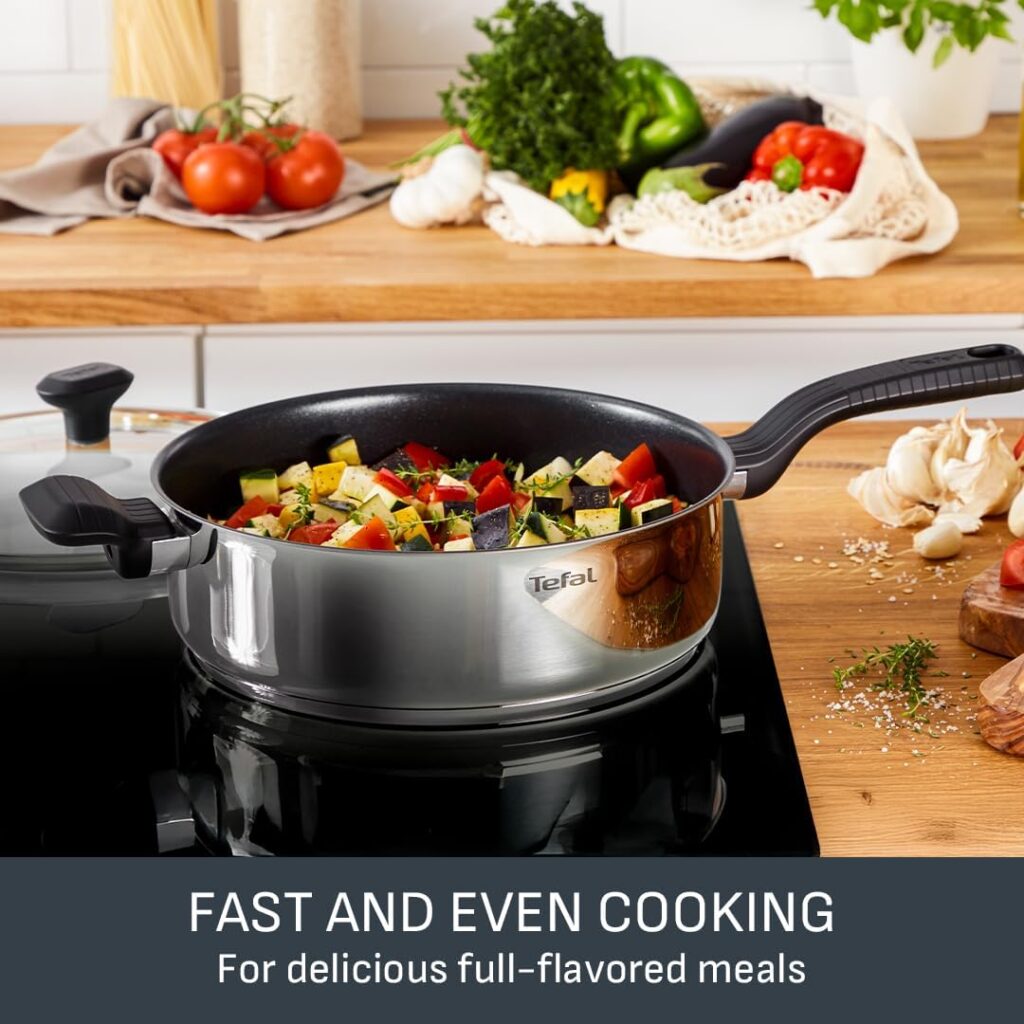
A great saucepan is one of the true everyday essentials in any UK kitchen. Whether you’re boiling pasta, simmering sauces or prepping quick weekday meals, the right pan makes cooking easier and more enjoyable. This guide highlights the best saucepans for everyday cooking, explains the differences between materials, and shares our top picks to help you choose the perfect option for your home.
What This Guide Covers
- The best saucepans for everyday cooking in the UK
- Clear comparisons between non‑stick, stainless steel and budget options
- What to look for when choosing a saucepan
- Our top picks for different cooking styles and budgets
- Simple tips to help you choose the right pan for your kitchen
Our Top Everyday Saucepan Picks
A quick look at the saucepans we recommend most often for everyday UK cooking.
🔥 Best Overall Everyday Saucepan
Reliable, versatile and ideal for most daily cooking.
A well‑balanced saucepan that heats evenly, handles everything from boiling pasta to simmering sauces, and works across all hob types. Solid construction, comfortable handling and dependable performance make it a great choice for everyday UK kitchens.
🧑🍳 2. Best Non‑Stick Saucepan
Perfect for porridge, sauces and low‑oil cooking.
A smooth, durable non‑stick coating that releases food easily and cleans with minimal effort. Ideal for gentle cooking, quick weekday meals and anyone who prefers a fuss‑free, low‑maintenance pan that performs consistently well.
🥘 3. Best Stainless Steel Saucepan
Durable, reliable and ideal for everyday UK cooking.
A sturdy stainless steel saucepan that heats evenly, resists wear and delivers consistent results across all hob types. Great for boiling vegetables, making sauces or prepping family meals, with a solid feel and long‑lasting performance that suits busy kitchens.
💸 4. Best Budget Saucepan
Light, affordable and ideal for quick weekday meals.
A simple, dependable saucepan that heats quickly, feels comfortable to use and handles everyday tasks without fuss. Perfect for students, smaller households or anyone wanting a reliable, low‑cost option that still performs well for daily cooking.
🧲 Material Matters Most
A saucepan’s material has a bigger impact on everyday cooking than most people realise. It affects how quickly the pan heats up, how evenly it cooks, how easy it is to clean and how long it will last in a busy kitchen. Understanding the differences between non‑stick, stainless steel, aluminium and ceramic helps you choose the right pan for your cooking style — whether you want fast heating, long‑term durability or the easiest clean‑up after dinner.
Non‑Stick Saucepans
Easy to use, easy to clean and ideal for everyday meals.
Non‑stick saucepans are perfect for gentle cooking, quick weekday meals and anything that tends to cling to the pan. They heat up quickly, need very little oil and make clean‑up effortless — great for porridge, sauces and reheating leftovers. They’re not as long‑lasting as stainless steel, but for convenience and fuss‑free cooking, they’re hard to beat.
Stainless Steel Saucepans
Durable, reliable and built for long‑term everyday use.
Stainless steel is the go‑to choice if you want a pan that lasts for years. It handles high heat well, cooks evenly and is ideal for boiling pasta, simmering sauces and preparing larger meals. Stainless steel doesn’t have a non‑stick coating, but with a little technique it becomes incredibly versatile and dependable — especially for families and regular home cooks.
Aluminium & Hard‑Anodised Saucepans
Lightweight, fast‑heating and great for everyday versatility.
Aluminium saucepans heat up quickly and evenly, making them ideal for busy kitchens. Hard‑anodised versions are tougher, more scratch‑resistant and often feel like a midpoint between stainless steel and non‑stick. They’re great for anyone who wants a pan that’s easy to handle, heats efficiently and works well for a wide range of everyday cooking tasks.
Ceramic‑Coated Saucepans
Non‑stick without traditional coatings — smooth, clean and chemical‑free.
Ceramic‑coated saucepans offer a naturally smooth cooking surface that releases food easily and needs very little oil. They’re a good option if you prefer a PTFE‑free or PFAS‑free non‑stick alternative. Ceramic coatings are great for gentle cooking and easy clean‑up, though they’re not quite as long‑lasting as stainless steel or hard‑anodised pans.
🔥 Hob Compatibility Explained
Make sure your new saucepan works perfectly on your kitchen hob.
Choosing the right saucepan isn’t just about size and material — it also needs to match your hob. Most modern pans are designed to work across all hob types, but there are still a few key differences worth knowing before you buy.
Induction Hobs
Fast, efficient and increasingly common in UK kitchens.
Induction pans need a magnetic base to work properly. Stainless steel, hard‑anodised and many non‑stick pans are induction‑ready, but older aluminium pans may not be. If a magnet sticks to the base, it will work on induction.
Gas Hobs
Great heat control and compatible with almost all pans.
Gas works with every saucepan material, but you’ll get the best results from pans with thicker bases that spread heat evenly. Non‑stick pans should be kept on medium heat to protect the coating.
Ceramic & Electric Hobs
Smooth surfaces that need flat, stable bases.
These hobs work with all common saucepan types, but pans with warped or uneven bases won’t heat evenly. Stainless steel and aluminium pans tend to perform best here.
Halogen Hobs
Strong radiant heat that works best with flat, shiny bases.
Halogen hobs heat quickly, so pans with good heat distribution — like stainless steel or hard‑anodised aluminium — give the most consistent results. Dark or rough bases can take slightly longer to heat.
Which Hob Type Is Best for Me?
A quick guide to choosing the right fit for your kitchen.
If you want the fastest, most efficient cooking with excellent heat control, induction is the best modern choice — as long as your pans have a magnetic base. For flexibility and instant visual feedback, gas remains a favourite and works with almost any saucepan. If you prefer a smooth, easy‑to‑clean surface, ceramic and electric hobs are reliable and pair well with flat‑bottomed pans. And if your kitchen has a halogen hob, look for pans with shiny, even bases for the best heat response.
🥘 Saucepan Size Guide
Choose the right size for your household and cooking style.
Saucepans come in a wide range of sizes, but most home cooks only need two or three to cover everyday meals. The right size depends on how many people you cook for and the types of dishes you make most often.
16cm Saucepans
Perfect for small portions, sauces and reheating.
A 16cm pan is ideal for porridge, custard, gravy, melting butter, or heating a single portion of soup. It’s a handy “little jobs” pan that every kitchen benefits from, but it’s too small for family cooking.
18cm Saucepans
Great all‑rounder for 1–2 people.
This size is perfect for vegetables, rice, noodles, and smaller batches of pasta or sauces. It’s the most useful size for couples or solo cooks and a great secondary pan for larger households.
20cm Saucepans
The most popular and versatile family size.
A 20cm pan is the true workhorse in most UK kitchens. It’s big enough for pasta, potatoes, curries, soups and larger portions, yet still manageable for everyday use. If you only buy one saucepan, make it this size.
22–24cm Saucepans
Best for batch cooking and larger families.
These bigger pans are ideal for stews, big pasta portions, boiling larger quantities of veg or making enough soup for the next day. They’re not essential for everyone, but brilliant if you cook in bulk.
🤔 Which Size Should I Choose?
- Cooking for 1–2 people → 16cm + 18cm
- Cooking for 2–4 people → 18cm + 20cm (the perfect combo)
- Cooking for families or batch cooking → 20cm + 22/24cm
- Want just one pan? → Choose 20cm every time
🧼 Cleaning & Care
Look after your saucepans and they’ll last much longer.
A little care goes a long way when it comes to keeping your saucepans in good condition. Different materials need slightly different treatment, but a few simple habits will help every pan stay cleaner, last longer and cook more evenly.
Non‑Stick Saucepans
Gentle cleaning keeps the coating performing at its best.
Wash non‑stick pans with warm soapy water and a soft sponge — abrasive pads can damage the coating. Avoid high heat, as it shortens the life of the non‑stick surface. Most are dishwasher‑safe, but handwashing always helps them last longer.
Stainless Steel Saucepans
Durable and easy to revive when they lose their shine.
Stainless steel can handle tougher cleaning. If food sticks, soak the pan in hot water before washing. For stubborn marks or rainbow discolouration, a little bicarbonate of soda or a stainless‑steel cleaner brings back the shine. Most stainless steel pans are fully dishwasher‑safe.
Aluminium & Hard‑Anodised Saucepans
Lightweight but still benefit from gentle care.
Hard‑anodised pans are tougher than standard aluminium, but both prefer soft sponges and mild detergents. Avoid metal utensils and harsh scrubbers. Many are dishwasher‑safe, but handwashing helps preserve the finish.
Ceramic‑Coated Saucepans
Smooth, easy to clean — but treat them kindly.
Ceramic coatings release food easily, so cleaning is usually simple. Use warm water and a soft cloth, and avoid abrasive pads that can dull the surface. Let the pan cool before washing to prevent thermal shock, which can shorten the coating’s lifespan.
⭐ General Care Tips
- Let pans cool before washing to avoid warping
- Avoid metal utensils on non‑stick or ceramic coatings
- Stack pans carefully or use pan protectors
- Use medium heat for most cooking — it protects coatings and improves results
- Dry pans thoroughly to prevent water spots and maintain shine
❓ Frequently Asked Questions
Quick answers to the most common saucepan questions.
What size saucepan do I need for pasta?
For one or two portions, an 18cm pan works well. For family portions or anything more than 150g of pasta, a 20cm pan is the safest choice.
Are non‑stick saucepans safe?
Yes — modern non‑stick coatings from reputable brands are designed to be safe at normal cooking temperatures. Just avoid overheating and stick to medium heat for best results.
Why does food stick to stainless steel?
Stainless steel needs to be properly heated before adding oil or ingredients. Once the pan is hot, food releases much more easily. A quick pre‑heat makes a big difference.
Can I use metal utensils on my pans?
Only on stainless steel. Avoid metal utensils on non‑stick or ceramic coatings to prevent scratches and extend the life of the surface.
How long should a good saucepan last?
A quality stainless steel pan can last 10+ years. Non‑stick and ceramic pans typically last 2–5 years, depending on how often you cook and how well you care for them.
Do I need induction‑compatible pans?
Only if you have an induction hob. If you’re unsure, place a magnet on the base — if it sticks, the pan is induction‑ready.
🏁 Final Thoughts
Your perfect saucepan is the one that suits your kitchen and your cooking style.
Choosing the right saucepan comes down to three things: material, size and hob compatibility. Whether you prefer the convenience of non‑stick, the durability of stainless steel or the fast heating of aluminium, there’s a pan that fits your everyday cooking perfectly. Our Top Picks highlight the best options for most UK homes, so you can shop with confidence and enjoy cookware that makes cooking easier, faster and more enjoyable.