
Choosing Your Perfect Frying Pan
Best Frying Pan for Everyday Cooking (UK Guide)
A great frying pan is the everyday hero of a UK kitchen. It’s the pan you reach for without thinking — whether you’re frying eggs, browning chicken, tossing a quick stir‑fry or making a late‑night snack. But with so many materials, coatings and sizes to choose from, finding the right one can feel more complicated than it needs to be.
This guide breaks down what really matters, highlights the best options for different cooking styles and budgets, and helps you choose a pan that will serve you well every single day.
Our Top Everyday Frying Pan Picks
A quick look at the pans we recommend most often for everyday UK cooking.
🔥 Best Overall Everyday Pan
Reliable, versatile and ideal for most meals.
A well‑balanced pan that heats evenly, handles daily cooking with ease and works beautifully across all hob types. Perfect for everything from quick weekday meals to weekend favourites.
🍳 Best Non‑Stick Pan
Perfect for eggs, pancakes and low‑oil cooking.
A smooth, durable non‑stick surface that releases food effortlessly and cleans up in seconds. Ideal if you want fuss‑free cooking with minimal oil and maximum convenience.
🌿 Best Ceramic Pan
A great choice if you prefer a PTFE‑free, easy‑clean surface.
Ceramic coating gives you a naturally slick surface with excellent heat response. Great for gentle cooking, healthier meals and anyone who prefers a coating‑free alternative.
💸 Best Budget Pan
Light, affordable and ideal for quick weekday meals.
A simple, dependable pan that heats quickly, feels comfortable in the hand and delivers solid everyday performance without stretching the budget.
Material Matters Most
Non‑stick
- Best for eggs, pancakes and delicate foods
- Very easy to clean
- Coating will eventually wear, so avoid high heat and metal utensils
Ceramic
- PTFE‑free and naturally slick
- Great for low‑oil cooking
- Can be less durable than traditional non‑stick
Stainless steel
- Excellent for browning and searing
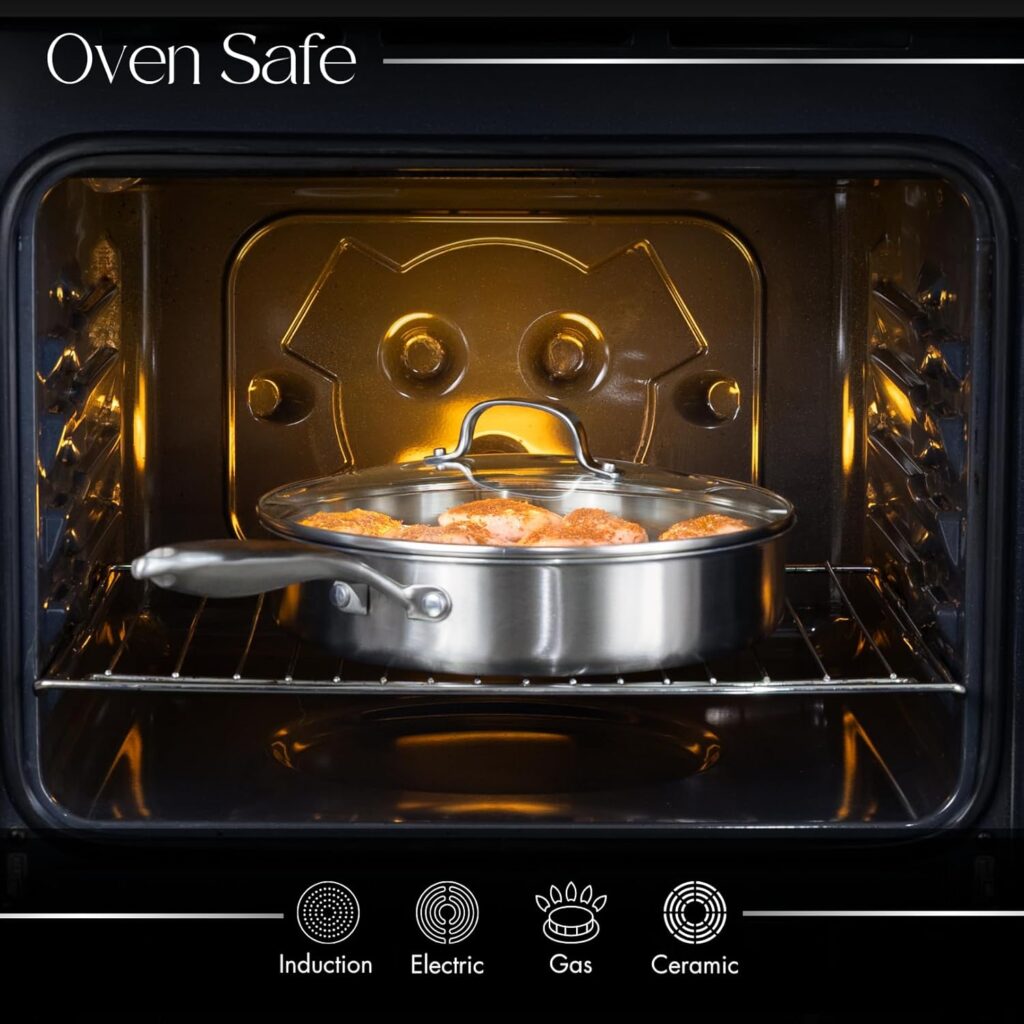
- Long‑lasting and oven‑safe
- Needs a little technique to prevent sticking
Cast iron
- Superb heat retention
- Ideal for steaks and high‑heat cooking
- Heavy and requires seasoning
Choose a Pan That Suits Your Hob
Not all pans work equally well on all hobs.
- Induction: Needs a magnetic base
- Electric/Ceramic: Flat, even bases perform best
- Gas: Almost anything works, but stainless steel and cast iron shine
If you want one pan that works everywhere, choose a multi‑hob compatible model.
Weight and Comfort Matter
A pan should feel balanced and comfortable in your hand.
- Lightweight pans are ideal for quick meals and for anyone with weaker wrists
- Heavier pans offer better heat retention but can be tiring to lift
A comfortable, heat‑resistant handle makes a big difference in everyday use.
The Best Size for Everyday Cooking
Most UK kitchens rely on one of these:
- 24cm — the most versatile size for everyday meals
- 28cm — great for families or larger portions
- 20cm — perfect for eggs or single‑portion dishes
If you only buy one, choose 24cm.
Cleaning and Care
A good everyday frying pan should be easy to maintain.
- Avoid high heat on non‑stick
- Don’t use metal utensils on coated pans
- Hand‑wash non‑stick and ceramic for longer life
- Stainless steel can be revived with a quick soak or baking soda scrub
- Replace non‑stick pans when the coating wears or scratches
A little care goes a long way.
Non‑Stick vs Ceramic vs Stainless Steel — Which Is Best?
Non‑Stick
Best for: eggs, pancakes, low‑oil cooking Pros: easy to clean, lightweight Cons: coating wears over time
Ceramic
Best for: health‑conscious cooks Pros: PTFE‑free, smooth surface Cons: can lose non‑stick performance faster
Stainless Steel
Best for: searing, browning, durability Pros: long‑lasting, oven‑safe Cons: requires technique to prevent sticking
Choosing the Right Pan for Your Kitchen
Ask yourself:
- What hob do I have
- What do I cook most often
- Do I prefer lightweight or heavy pans
- Do I want dishwasher‑safe
- What’s my budget
Your answers will point you toward the right material and size.
Care Tips to Make Your Pan Last Longer
- Pre‑heat gently before adding oil
- Avoid aerosol sprays (they leave residue)
- Let the pan cool before washing
- Store carefully to avoid scratches
- Refresh stainless steel with a vinegar or baking soda soak
These small habits extend the life of any pan.
FAQs
What size frying pan is best for everyday cooking A 24cm pan is the most versatile for everyday meals.
Why does my non‑stick pan keep sticking Usually due to high heat, worn coating or residue build‑up.
Is ceramic cookware safe for everyday use Yes — it’s PTFE‑free and naturally slick, ideal for low‑oil cooking.
Can you use metal utensils on non‑stick pans No — they can scratch the coating and shorten the pan’s life.
How long should a frying pan last A good non‑stick pan lasts 2–5 years; stainless steel can last decades.